Storage & Traceability
Warehouse control for materials, finished goods, and export orders
How organized storage, identification, status control, and dispatch planning support repeatable OEM supply.
Why warehouse control matters
A consistent product can still arrive incorrectly if cartons are mixed, packaging versions are confused, or goods are damaged before loading. Warehouse control is therefore part of product quality and not only a logistics activity.
Material and product identification
The exact method can vary, but staff should be able to explain what an item is, which order it belongs to, and whether it is approved for use or shipment. Clear identification is especially important when similar SKUs share materials or cartons.
Finished-goods release
Buyers should understand who authorizes release, how open quality issues are separated, and how final quantities connect to commercial documents. A retained record improves repeat-order comparison and complaint investigation.
Dispatch readiness
Before loading, verify carton count, marks, packing list information, product condition, and any pallet or moisture-protection requirements. Photos can support communication but should be connected to the shipment.
Related Articles
- Traceability Audit for OEM Pet Product Factories
- Pet Product Warehouse Management for Export Orders
- OEM Pet Pad Contract Manufacturing: A Buyer Workflow
- How OEM Product Change Control Protects Repeat Orders
- Planning an OEM Pilot Order Before Full-Scale Production
- Managing a Multi-SKU OEM Pet Product Launch
Controlled Workflow
- 01 Receipt
Materials or finished goods are received against the relevant order and identification information.
- 02 Status identification
Items are marked or located according to their receipt, inspection, release, or issue status.
- 03 Controlled storage
Products are protected from avoidable moisture, contamination, damage, and order mixing.
- 04 Order allocation
Released goods are connected to the correct SKU, packaging version, quantity, and destination.
- 05 Dispatch handover
Cartons, marks, documents, and loading requirements are reviewed before shipment.
Buyer Specifications
| Storage scope | Raw materials, packaging components, work in progress, finished cartons |
|---|---|
| Control focus | Identification, status, location, lot or order connection, damage prevention |
| Export preparation | Carton count, shipping marks, packing list data, loading sequence |
| Buyer evidence | Warehouse photos, finished-goods identification, carton and loading records |
| Review point | How released, held, and nonconforming goods are distinguished |
Frequently Asked Questions
Can buyers review this process before placing an order?
Yes. The appropriate review can combine a project brief, current factory evidence, samples, video communication, records, and an on-site visit where needed.
Does the process stay the same for every OEM project?
No. Product structure, packaging, quantity, destination, and buyer inspection requirements can change the control points and approval sequence.
What should be included in an inquiry?
Share the target market, product type, specification or benchmark, estimated quantity, packaging direction, destination, and expected schedule.
What evidence is most useful for warehouse review?
Use the specifications, timeline, project-linked records, representative samples, and current visual evidence shown or requested for the exact warehouse scope.
Can the requirements be customized for a private-label order?
Yes. The practical scope depends on product specification, packaging, order quantity, destination, and the controls needed for repeat production.
How can I request more detailed factory information?
Submit an inquiry with your company, target product, market, estimated quantity, and the factory evidence your procurement or quality team needs.
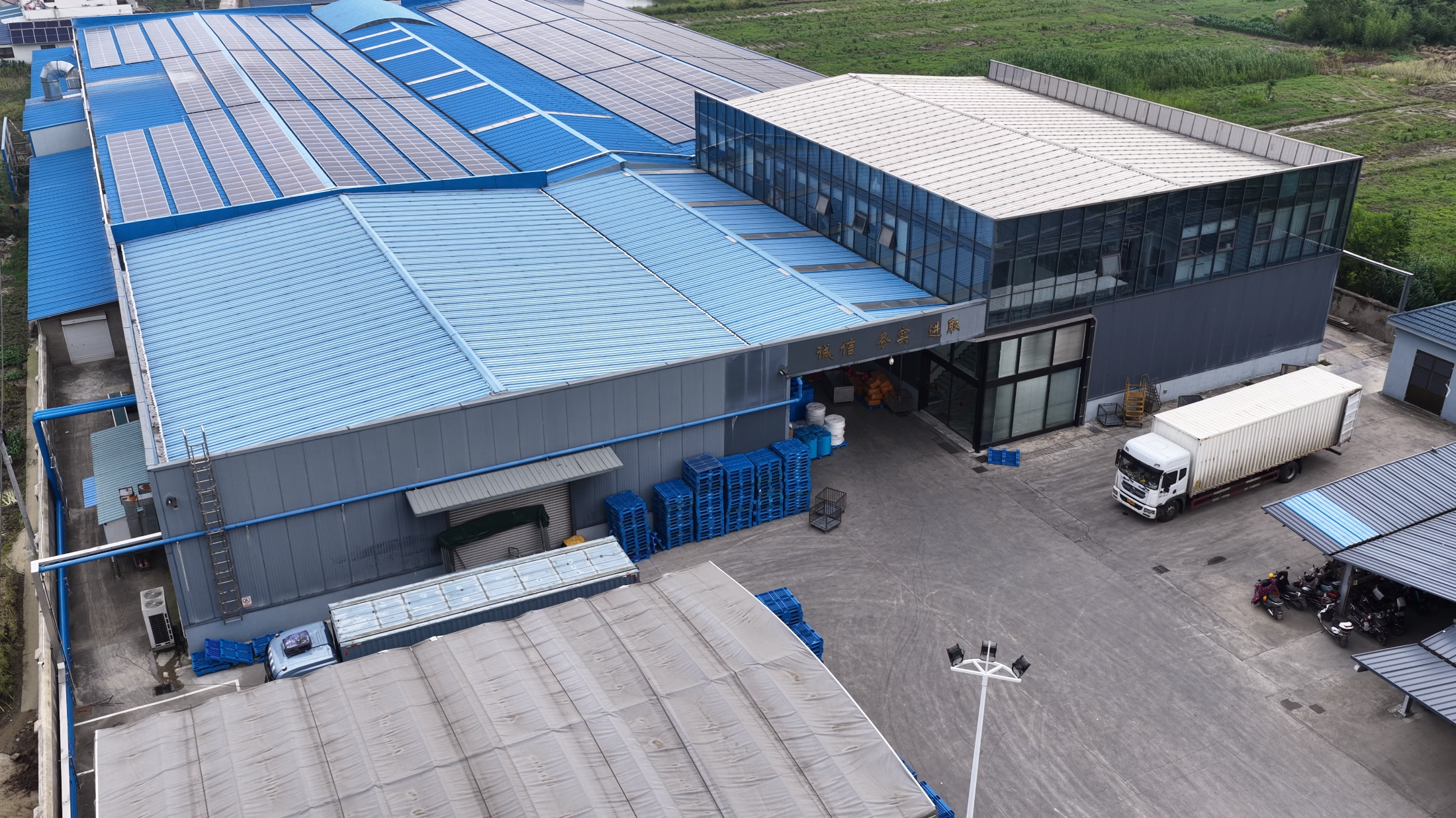
Factory Photography


Related Products
Discuss your project
Share your product, market, specification, packaging, quantity, and delivery destination with JCZCARE.
Request a product plan Contact an expert