Testing & Evidence
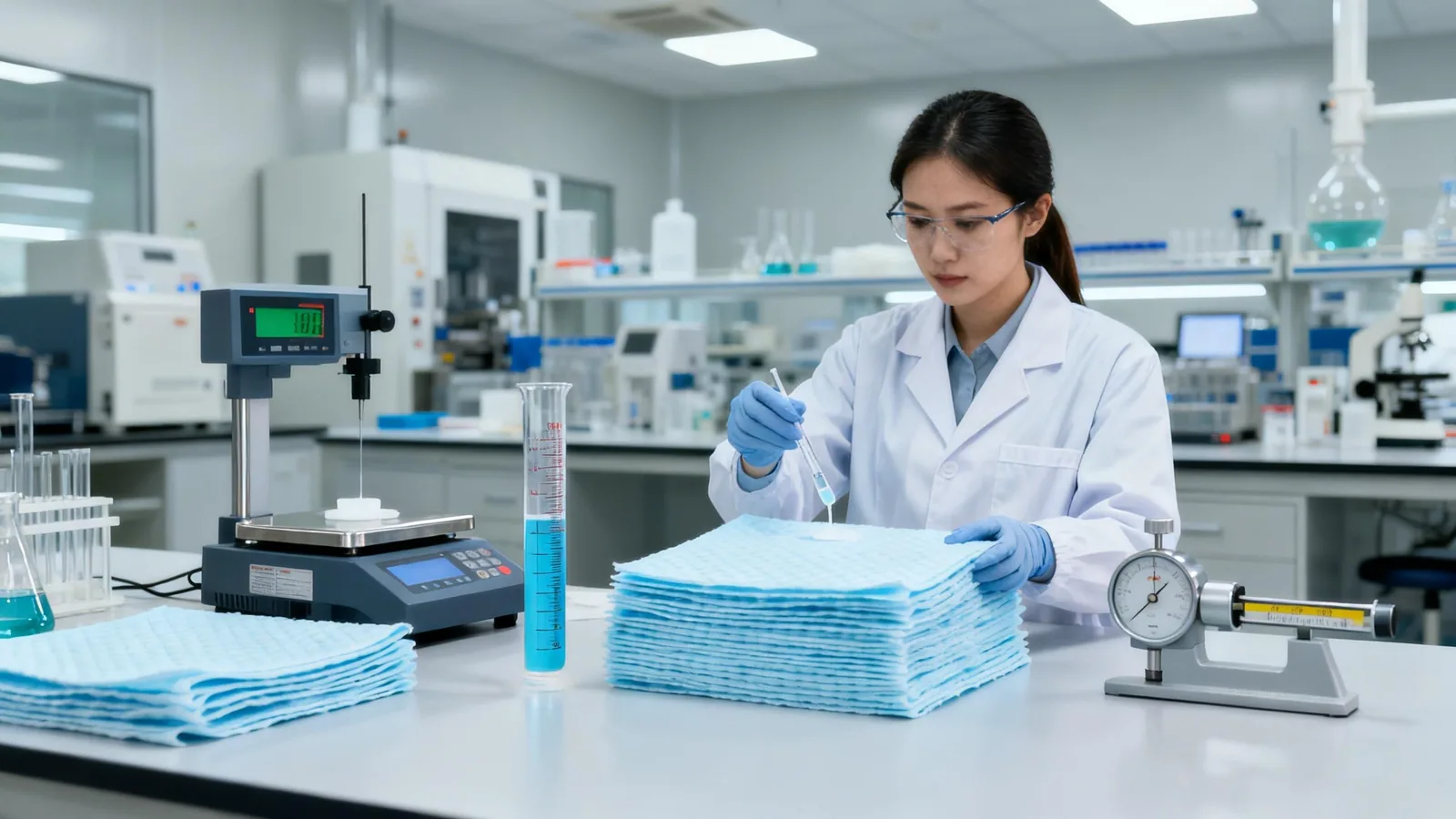
Laboratory testing for measurable absorbent product decisions
How defined test conditions help buyers compare samples, approve specifications, and review production evidence.
Tests should answer buyer questions
A laboratory method should connect to the use case and purchasing decision. Total absorption alone does not describe speed, surface dryness, pressure resistance, or leakage behavior, so a balanced plan may need several checks.
Repeatable conditions
Comparisons require the same sample size, conditioning, liquid, volume, timing, pressure, and calculation. Without these controls, two numbers can appear precise while describing different tests.
From sample to mass production
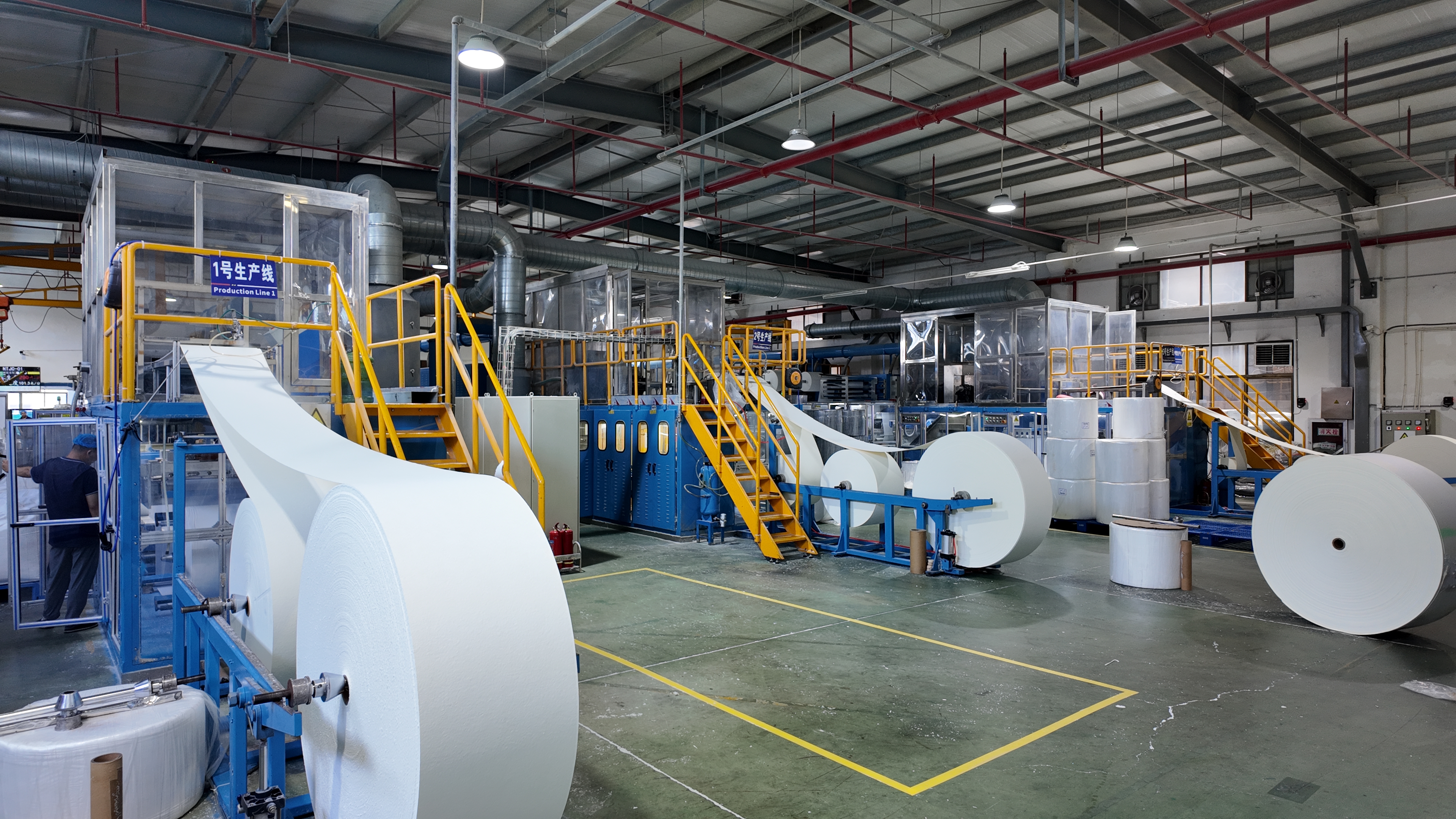
The method used to approve a development sample should be practical enough to support production review. Retained samples and controlled records help investigate changes between orders.
Responsible communication
Test results should be described with their method and scope. Buyers should avoid turning a limited internal test into a broad market claim without appropriate evidence and destination-market review.
Related Articles
Controlled Workflow
- 01 Method agreement
The buyer and technical team define the performance question and test conditions.
- 02 Sample conditioning
Samples are identified and prepared so comparisons use a consistent basis.
- 03 Controlled test
The agreed liquid, volume, timing, pressure, and measurement process are applied.
- 04 Result review
Results are compared with the target, benchmark, or acceptance range.
- 05 Record and decision
The method, result, sample identity, and approval decision are retained for the project.
Buyer Specifications
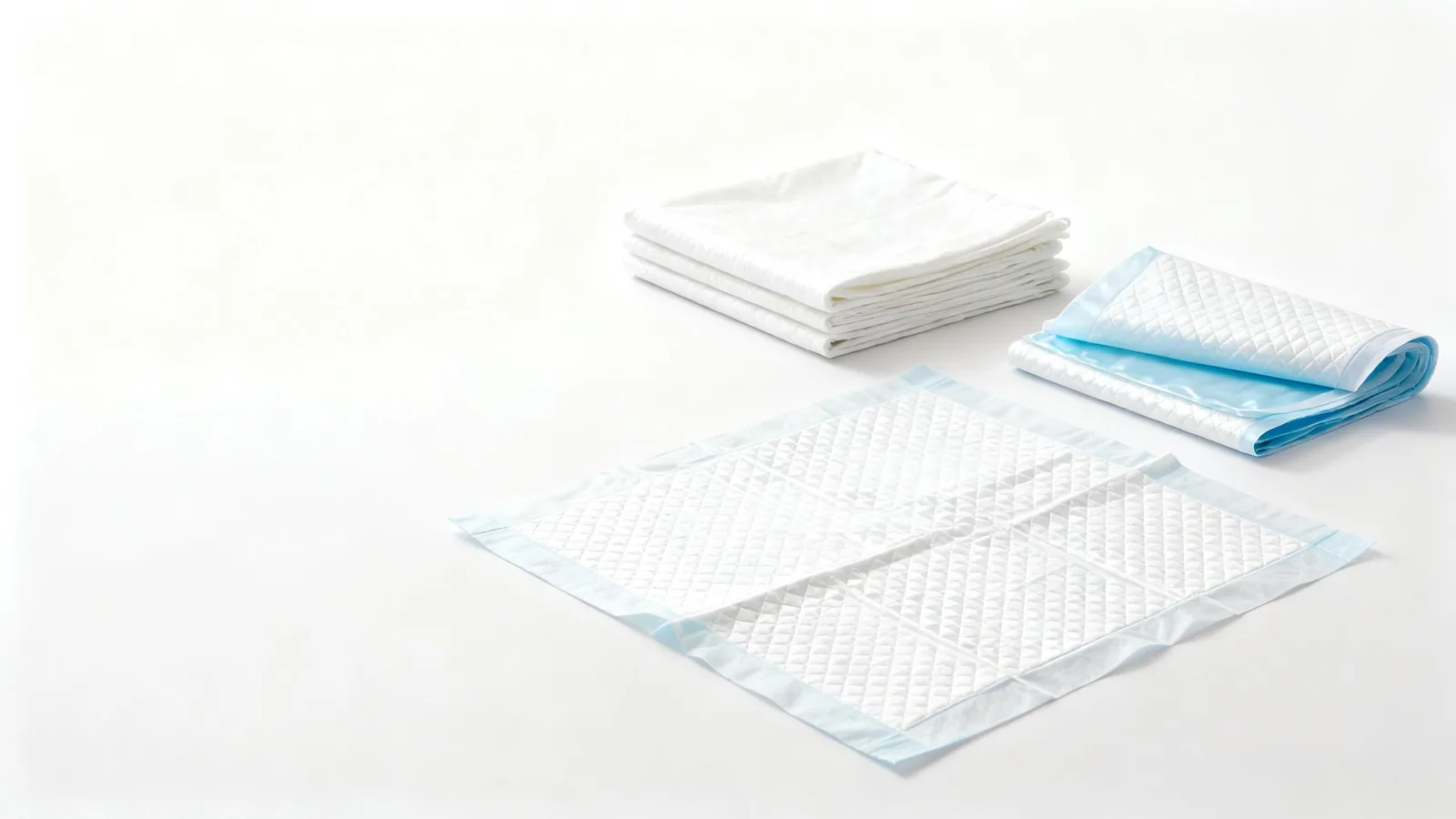
| Physical measurement | Dimensions, weight, thickness direction, pack count |
|---|---|
| Absorption | Intake speed, diffusion, total capacity direction |
| Surface performance | Rewet or liquid return under defined timing and pressure |
| Barrier performance | Leakage observation and backing-film integrity |
| Packaging | Seal, print, barcode, pack count, carton and transit-related checks |
Frequently Asked Questions
Can buyers review this process before placing an order?
Yes. The appropriate review can combine a project brief, current factory evidence, samples, video communication, records, and an on-site visit where needed.
Does the process stay the same for every OEM project?
No. Product structure, packaging, quantity, destination, and buyer inspection requirements can change the control points and approval sequence.
What should be included in an inquiry?
Share the target market, product type, specification or benchmark, estimated quantity, packaging direction, destination, and expected schedule.
What evidence is most useful for testing laboratory review?
Use the specifications, timeline, project-linked records, representative samples, and current visual evidence shown or requested for the exact testing laboratory scope.
Can the requirements be customized for a private-label order?
Yes. The practical scope depends on product specification, packaging, order quantity, destination, and the controls needed for repeat production.
How can I request more detailed factory information?
Submit an inquiry with your company, target product, market, estimated quantity, and the factory evidence your procurement or quality team needs.
Factory Photography
Related Products
Discuss your project
Share your product, market, specification, packaging, quantity, and delivery destination with JCZCARE.
Request a product plan Contact an expert