Export Logistics
Container loading planned around product protection and landed value
How carton dimensions, loading estimates, shipment controls, and documentation support reliable B2B delivery.
Loading starts with packaging design
Absorbent products can be bulky relative to value. Pack count, compression, carton dimensions, and carton strength should be considered during product planning rather than after production is complete.
Estimates versus actual use
Container calculators are planning tools. Real utilization depends on final cartons, loading pattern, pallets if used, container condition, handling constraints, and the need to protect goods.
Loading controls
Released goods should be counted and identified before loading. Mixed SKUs need a clear sequence, and cartons should not be forced into a pattern that creates unacceptable crushing or instability.
Buyer and logistics handover
Confirm who provides the booking, customs information, shipping marks, document instructions, and destination requirements under the agreed Incoterm. Loading evidence supports communication but does not replace carrier or customs documents.
Related Articles
Controlled Workflow
- 01 Carton data confirmation
Final carton dimensions, gross weight, units, marks, and total quantity are recorded.
- 02 Loading estimate
Container use is calculated with allowances for real carton dimensions, handling, and product protection.
- 03 Pre-loading review
Released goods, container condition, documents, sequence, and any moisture precautions are checked.
- 04 Physical loading
Cartons are loaded to reduce avoidable crushing, movement, mixing, and count errors.
- 05 Shipment evidence
Loading photos, seal information, quantities, and document handover are connected to the shipment.
Buyer Specifications
| Required carton data | Length, width, height, gross weight, net weight, units and SKU |
|---|---|
| Planning inputs | Container type, route, pallet requirement, loading method and destination handling |
| Protection | Carton strength direction, moisture precautions, movement and crushing risk |
| Evidence | Count records, loading photos, container and seal information |
| Commercial alignment | Packing list, invoice, marks, Incoterm and freight-provider instructions |
Frequently Asked Questions
Can buyers review this process before placing an order?
Yes. The appropriate review can combine a project brief, current factory evidence, samples, video communication, records, and an on-site visit where needed.
Does the process stay the same for every OEM project?
No. Product structure, packaging, quantity, destination, and buyer inspection requirements can change the control points and approval sequence.
What should be included in an inquiry?
Share the target market, product type, specification or benchmark, estimated quantity, packaging direction, destination, and expected schedule.
What evidence is most useful for container loading review?
Use the specifications, timeline, project-linked records, representative samples, and current visual evidence shown or requested for the exact container loading scope.
Can the requirements be customized for a private-label order?
Yes. The practical scope depends on product specification, packaging, order quantity, destination, and the controls needed for repeat production.
How can I request more detailed factory information?
Submit an inquiry with your company, target product, market, estimated quantity, and the factory evidence your procurement or quality team needs.
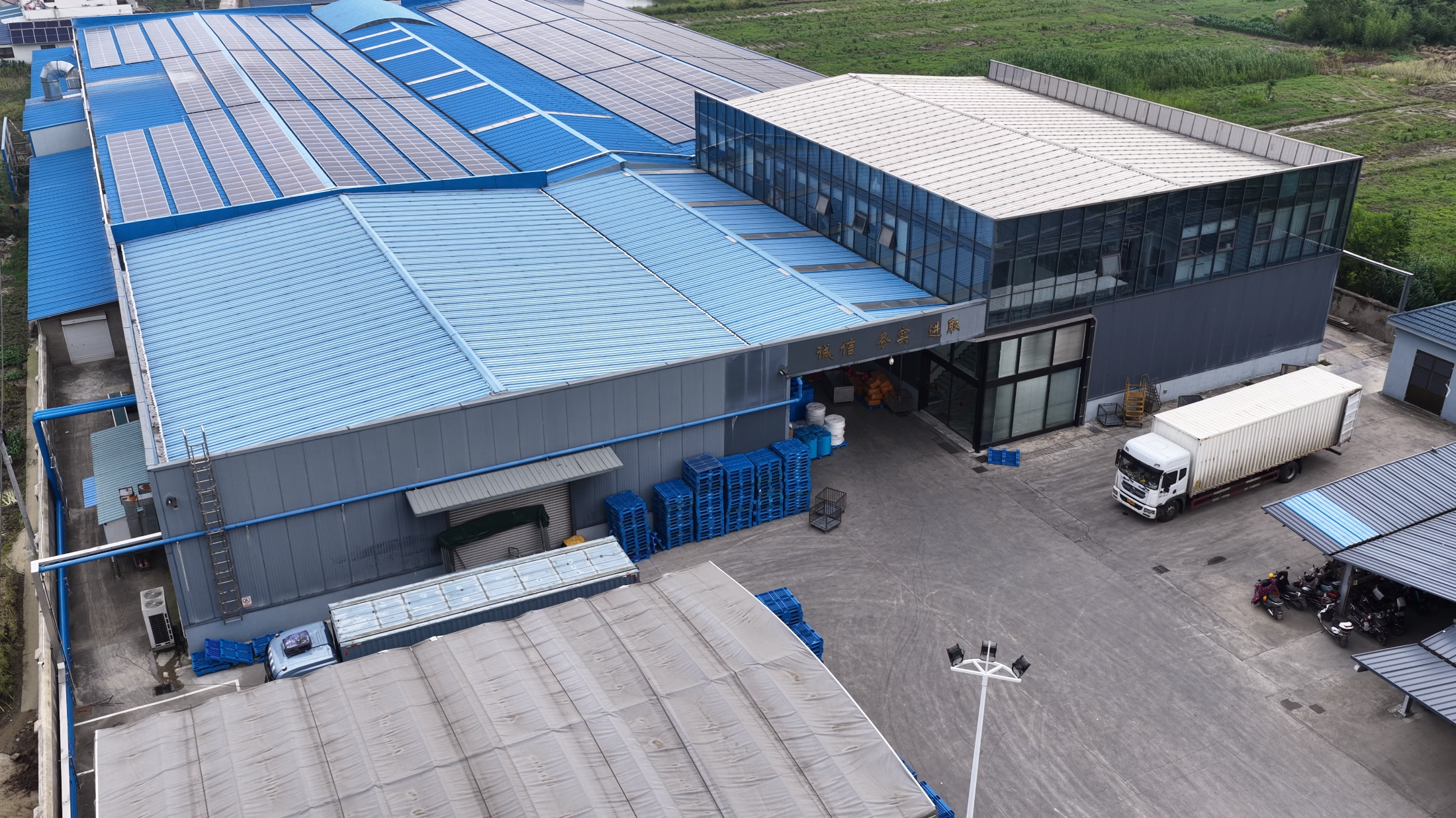
Factory Photography


Related Products
Discuss your project
Share your product, market, specification, packaging, quantity, and delivery destination with JCZCARE.
Request a product plan Contact an expert